Thank you for writing to us. One of our executive will reach back to you through your submitted medium. In case there’s an urgency, feel free to connect over WhatsApp for faster response.
Prefer calling? Dial +919978713458 (International callers) or +919978713458 (Indian callers).
Ai in Home Automation Using AI in home automation ...
67b315a2c74e90f6b1afc28a"
Ai in Home Automation
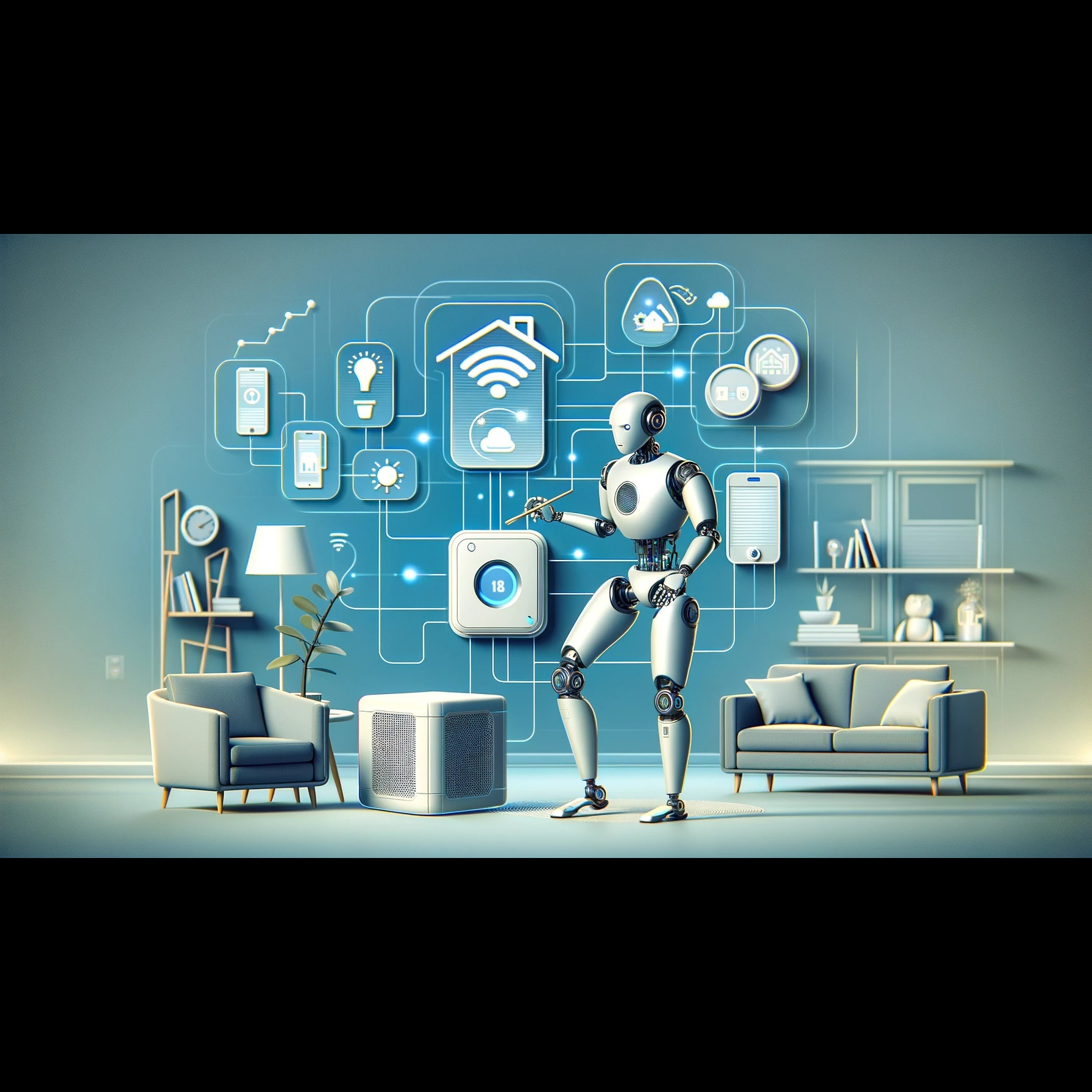
Using AI in home automation can transform your living space into a smart, efficient, and secure environment. AI enables devices to learn from user behavior, automate tasks, and provide personalized experiences. Here\'s how you can integrate AI into home automation:
1. Key Areas for AI in Home Automation
Energy Management: Optimize energy usage by learning user patterns.
Security: Enhance home security with AI-powered surveillance and alerts.
Comfort and Convenience: Automate lighting, temperature, and entertainment systems.
Health and Wellness: Monitor air quality, humidity, and other environmental factors.
Voice Control: Enable hands-free control of devices using voice assistants.
2. Steps to Implement AI in Home Automation
Step 1: Identify Use Cases
Smart Lighting: Automate lights based on time of day, occupancy, or user preferences.
Climate Control: Adjust heating and cooling systems based on weather forecasts and user habits.
Security Systems: Use AI-powered cameras and sensors for facial recognition, motion detection, and intruder alerts.
Entertainment Systems: Automate music, TV, and other devices based on user preferences.
Smart Appliances: Integrate AI into appliances like refrigerators, washing machines, and ovens for better functionality.
Step 2: Choose AI Technologies
Machine Learning (ML): For predictive analytics and behavior learning.
Natural Language Processing (NLP): For voice-controlled assistants (e.g., Alexa, Google Assistant).
Computer Vision: For security cameras and facial recognition.
IoT Integration: Connect devices to the Internet of Things (IoT) for seamless communication.
Step 3: Select Smart Devices
Smart Speakers: Amazon Echo, Google Nest Hub.
Smart Thermostats: Nest Thermostat, Ecobee.
Smart Lighting: Philips Hue, LIFX.
Security Cameras: Ring, Arlo.
Smart Plugs and Switches: TP-Link Kasa, Wemo.
Sensors: Motion sensors, door/window sensors, and environmental sensors.
Step 4: Integrate AI Platforms
Voice Assistants: Use platforms like Amazon Alexa, Google Assistant, or Apple Siri for voice control.
AI Hubs: Use platforms like Samsung SmartThings, Hubitat, or Home Assistant to centralize control.
Cloud AI Services: Leverage cloud-based AI services (e.g., AWS IoT, Google Cloud IoT) for advanced analytics and automation.
Step 5: Automate and Personalize
Routines and Scenes: Create routines (e.g., "Good Morning" scene that turns on lights, adjusts thermostat, and plays music).
Behavior Learning: Use AI to learn user habits and automate tasks (e.g., turning off lights when no one is in the room).
Predictive Analytics: Use AI to predict user needs (e.g., preheating the oven before dinner time).
Step 6: Enhance Security
Facial Recognition: Use AI-powered cameras to recognize family members and alert for strangers.
Anomaly Detection: Detect unusual activity (e.g., doors opening at odd hours) and send alerts.
Voice Recognition: Use voice biometrics for secure access control.
Step 7: Monitor and Optimize
Data Analytics: Use AI to analyze data from sensors and devices to optimize performance.
Remote Control: Monitor and control your home remotely via mobile apps.
Energy Efficiency: Use AI to reduce energy consumption by optimizing device usage.
3. Examples of AI in Home Automation
Smart Thermostats: Nest Learning Thermostat learns your schedule and adjusts temperature automatically.
Voice Assistants: Amazon Alexa or Google Assistant can control lights, locks, and appliances using voice commands.
Security Cameras: AI-powered cameras like Arlo or Ring can distinguish between people, animals, and objects.
Smart Lighting: Philips Hue uses AI to adjust lighting based on time of day or user preferences.
Smart Appliances: Samsung Family Hub refrigerator can suggest recipes based on available ingredients.
4. Tools and Technologies
AI Platforms: TensorFlow, PyTorch, OpenAI.
IoT Platforms: AWS IoT, Google Cloud IoT, Microsoft Azure IoT.
Voice Assistants: Amazon Alexa, Google Assistant, Apple Siri.
Smart Home Hubs: Samsung SmartThings, Hubitat, Home Assistant.
5. Challenges to Consider
Privacy Concerns: Ensure data collected by AI devices is secure and private.
Interoperability: Ensure devices from different brands work together seamlessly.
Cost: AI-powered devices can be expensive, so plan your budget accordingly.
Complexity: Setting up and maintaining an AI-powered home automation system can be technically challenging.
By integrating AI into home automation, you can create a smarter, more efficient, and secure living environment. Let me know if you need help with specific devices or use cases!