Builder project with Home Automation
In a home automation builder scheme, various components and
systems can be integrated to create a smart, efficient, and convenient living
environment. Here are some key elements that can be provided:
1. Smart Lighting
- Automated
Lighting Control: Lights that turn on/off based on occupancy, time of
day, or specific triggers.
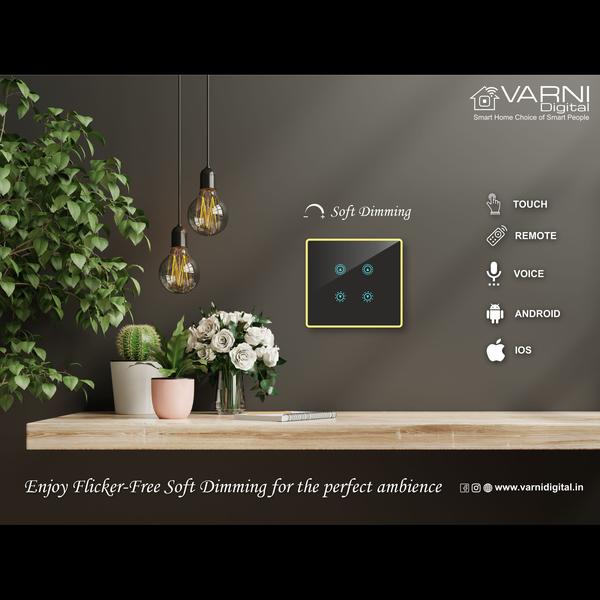
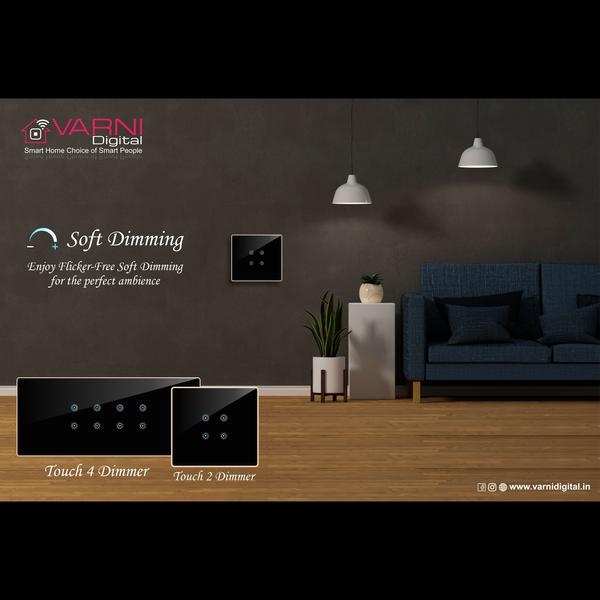
- Dimmable
Lights: Adjustable brightness levels for different moods and
activities.
- Color-changing
Lights: LED lights that can change colors for ambiance or
notifications.
- Voice
Control: Integration with voice assistants like Alexa, Google
Assistant, or Siri.
2. Smart Thermostats
- Climate
Control: Automated temperature adjustments based on occupancy, time of
day, or weather conditions.
- Energy
Efficiency: Optimize heating and cooling to reduce energy consumption.
- Remote
Control: Adjust settings via smartphone apps from anywhere.
3. Security Systems
- Smart
Locks: Keyless entry with remote locking/unlocking capabilities.
- Surveillance
Cameras: Indoor and outdoor cameras with real-time monitoring and
recording.
- Motion
Sensors: Detect movement and trigger alarms or notifications.
- Smart
Doorbells: Video doorbells with two-way communication and motion
detection.
4. Home Entertainment
- Multi-room
Audio: Stream music to different rooms simultaneously or individually.
- Smart
TVs: Integration with streaming services and voice control.
- Home
Theater Systems: Automated control of audio-visual equipment for a
seamless experience.
5. Smart Blinds and Curtains
- Automated
Opening/Closing: Schedule or trigger blinds/curtains to open/close
based on time of day or sunlight.
- Remote
Control: Operate blinds/curtains via smartphone apps or voice
commands.
6. Energy Management
- Smart
Plugs: Control and monitor energy usage of connected devices.
- Solar
Panel Integration: Monitor and optimize energy production and
consumption.
- Energy
Usage Reports: Detailed insights into energy consumption patterns.
7. Smart Appliances
- Refrigerators:
Inventory tracking, expiration alerts, and remote temperature control.
- Washing
Machines/Dryers: Remote start/stop, cycle notifications, and energy
usage monitoring.
- Ovens/Microwaves:
Remote preheating, recipe suggestions, and cooking timers.
8. Voice Assistants and Hubs
- Centralized
Control: Use a single hub or app to control all smart devices.
- Voice
Commands: Integration with voice assistants for hands-free control.
9. Smart Irrigation
- Automated
Watering: Schedule or trigger irrigation based on weather conditions
and soil moisture levels.
- Water
Usage Monitoring: Track and optimize water consumption for
landscaping.
10. Health and Wellness
- Air
Quality Monitors: Track and improve indoor air quality with smart air
purifiers.
- Smart
Water Heaters: Efficiently manage water heating schedules and
temperatures.
- Sleep
Monitoring: Integration with smart beds or wearable devices to track
and improve sleep quality.
11. Integration and Interoperability
- Compatibility:
Ensure all devices and systems work seamlessly together.
- Custom
Scenes: Create custom automation scenes (e.g., "Good
Morning" scene that turns on lights, adjusts thermostat, and starts
coffee maker).
12. Backup and Redundancy
- Uninterruptible
Power Supply (UPS): Ensure critical systems remain operational during
power outages.
- Data
Backup: Secure backup of all automation settings and data.
13. User Interface
- Mobile
Apps: Control and monitor your home from anywhere.
- Touch
Panels: Wall-mounted or portable touchscreens for easy access to
controls.
- Web
Interface: Access your home automation system via a web browser.
14. Customization and Scalability
- Modular
Design: Easily add or upgrade components as needed.
- Custom
Automation Rules: Tailor automation rules to fit specific lifestyle
needs.
By incorporating these elements, a home automation builder
scheme can provide a comprehensive, user-friendly, and efficient smart home
experience tailored to the homeowner's preferences and needs.