Choose the
Right Smart Switch for Your Home Automation
Upgrading your
home lighting with smart switches is a great way to enhance convenience, save
energy, and add a modern touch to your living space. However, with so many
options available, choosing the right smart switch can be overwhelming. Here’s
a guide to help you make the best decision.
1. Determine
Your Needs
Before buying a
smart switch, ask yourself:
- Do you want voice control (via
Alexa, Google Assistant, or Siri)?
- Do you need remote control via a
smartphone app?
- Should the switch work with a smart
home hub (like SmartThings, Zigbee, or HomeKit)?
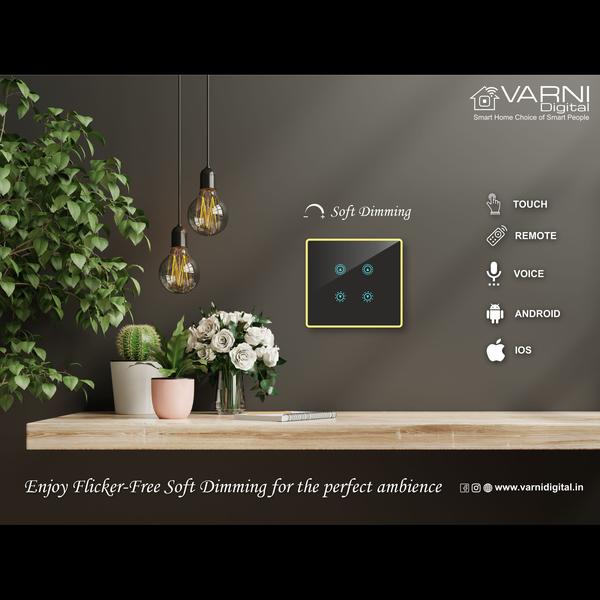
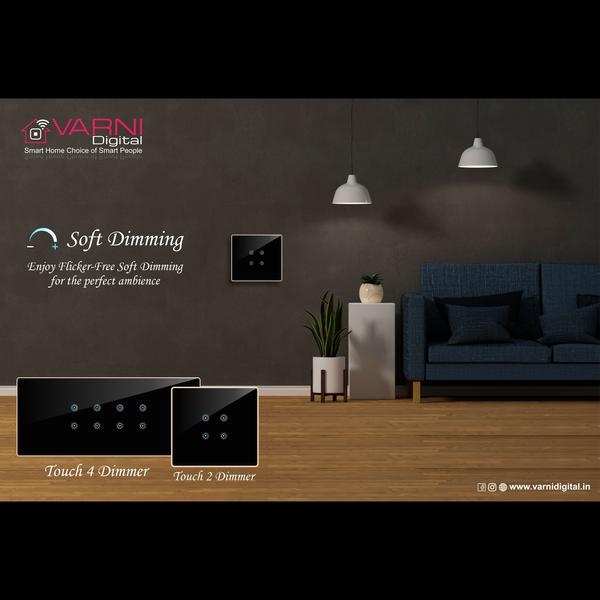
- Do you want dimming capabilities or
just on/off control?
2. Check
Your Wiring
Smart switches
typically require a Phase & neutral wire, Both for power. Some older
homes may not have neutral wires. Also, ensure your switch box has a ground
wire for safety.
3. Choose
the Right Type of Smart Switch
- Single-Pole Switch – Controls one light from one
location.
- 2-Way Switch – Controls a light from
multiple locations (e.g., at the top and bottom of stairs). Some smart
switches require a companion switch for multi-location setups.
- Dimmer Switch – Allows adjustable
brightness for compatible bulbs (LED, CFL, or incandescent).
4. Consider
Compatibility
- Voice Assistants – Ensure the switch works
with your preferred platform (Alexa, Google Assistant, Apple HomeKit).
- Smart Home Hubs – If you use Zigbee or
Z-Wave, check if the switch integrates with your hub.
- Bulb Compatibility – Some smart switches may not
work well with certain smart bulb, so verify before purchasing.
5. Look for
Essential Features
- Scheduling & Automation – Set lights to turn on/off
at specific times.
- Scene Control – Adjust multiple lights with
a single command.
- Dimming & Tuning – Adjusts the brightness
& colour as per ambience (available in some advanced models).
- Physical Button – Useful in case of Wi-Fi
issues.
6. Wi-Fi vs.
Z-Wave/Zigbee
- Wi-Fi Switches – Easy to install, no hub
needed, but may clog your network if you have many devices.
- Z-Wave/Zigbee – Requires a hub but offers
better reliability and lower power consumption.
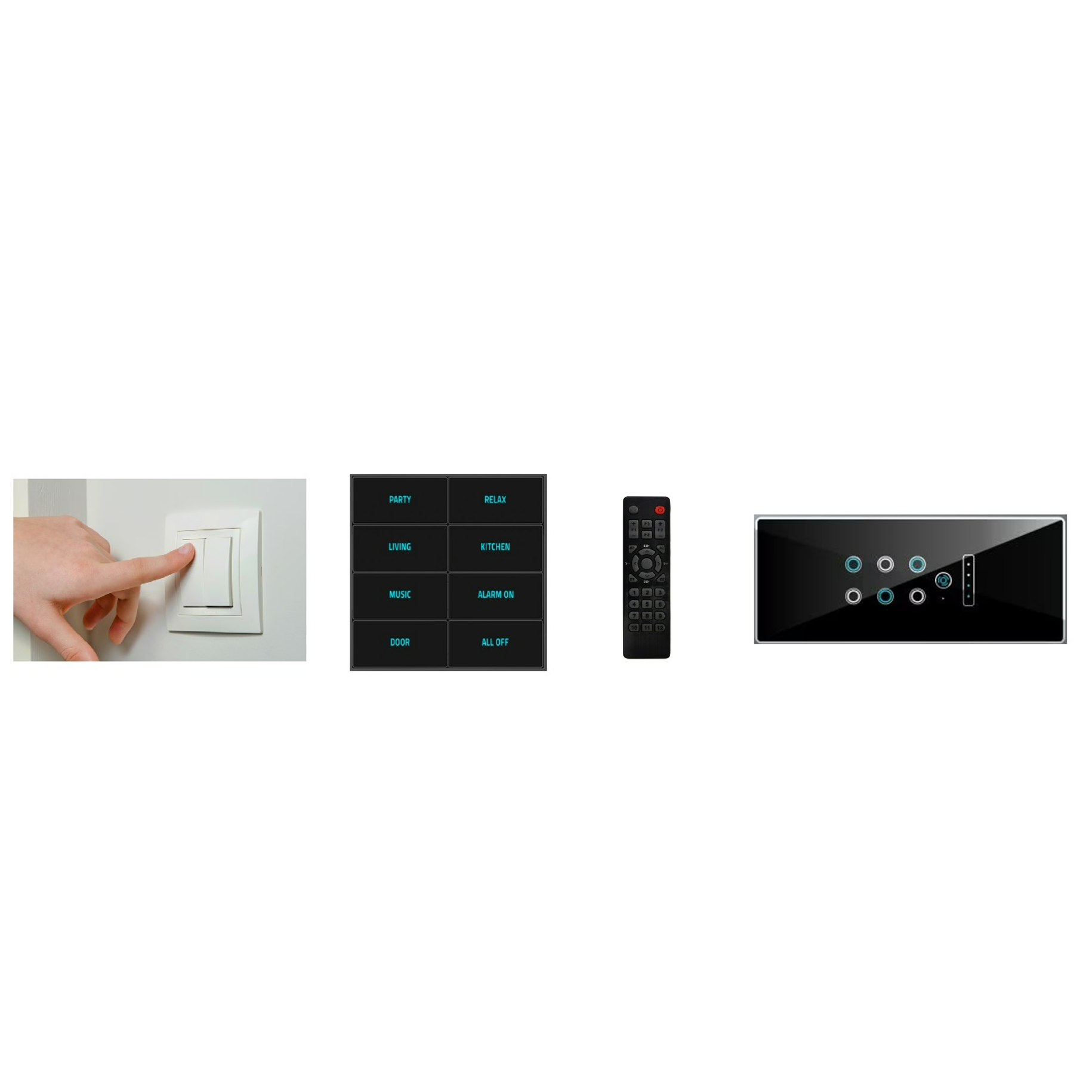
7. Design
& Aesthetics
Choose a switch
that matches your home’s style—options range from sleek touch panels to
traditional toggle designs.
Final
Thoughts
Picking the
right smart switch depends on your home’s wiring, smart ecosystem, and personal
preferences. By considering these factors, you can find the perfect switch to
make your home lighting smarter and more efficient.
Have you
installed smart switches at home? Share your experience in the comments!
#SmartHome
#HomeAutomation #SmartLighting #TechTips