Power
Surge or Electrical Surge
Most
homes in India rely on electricity for everything from refrigerators to
televisions to A.C. Since electricity is such an integral part of life, most of
us don't realize how much we rely on it until a power surge knocks out the
power or kills our appliances. Before
you can protect your home and appliances from this danger, it helps to know
exactly what is a power surge and what causes power surges.
What
is a Power Surge?
A power
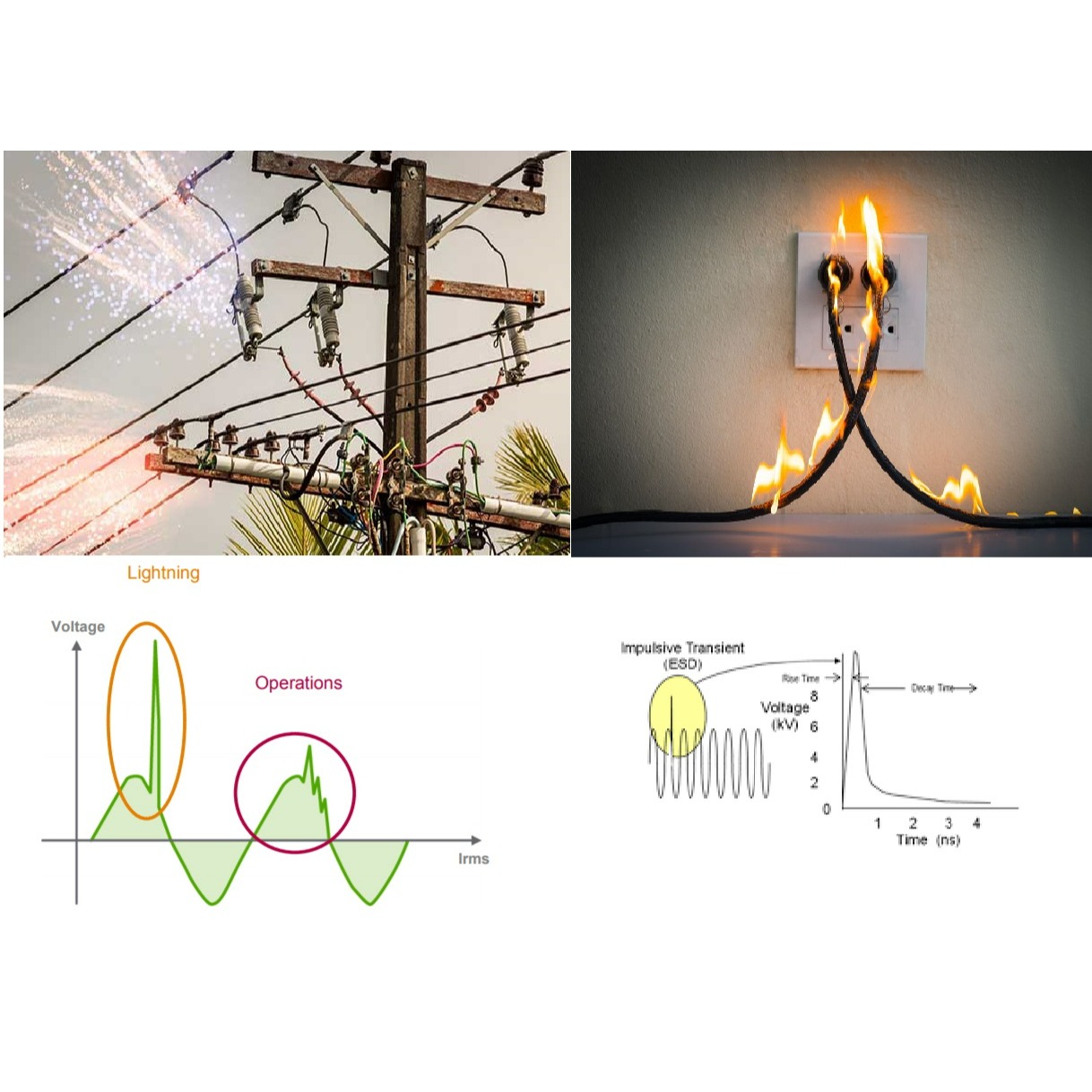
surge is a sudden increase in voltage in an electrical system. A
sudden, temporary increase in voltage in an electrical system. When a power
surge occurs, thousands of volts enter your home’s wiring. All Power surges are not the same.
The impact usually depends on the cause of the surge. Power surges can be
damaging to your home and appliances, and can cause fires. They can also
cause electrical arcs and heat that can damage or destroy electrical wiring and
other components. A power surge or electrical surge is a relatively rare, but
potentially damaging phenomenon that can occur in any electrical power system.
Cause
Of Power Surge
It can
be caused by a number of events, including:
·
Lightning
strikes
·
Using
Faulty Electronics & Appliances
·
Faulty
Wiring
·
Capacitor
bank building
·
Power
Grid Load switching
·
Electrical
overload
How
often does a power surge happen?
There
are two types of power surges, internal and external, with a majority of them
being internal surges. Some internal surges may not be noticeable and modern
electronics can resist the spike of electricity. But if power surges occur
frequently, the quality of electronics can be degraded over time. An internal
surge can be caused by faulty appliances or Heavy Load units being turned on,
but most commonly, they result from faulty wiring. External surges may occur
less often but may be more severe. They are often the result of lighting or
tree branches coming into contact with power lines.
Some
signs of an impending power surge
- Flickering or dimming
lights
- Buzzing sounds near outlets
and lights
- Discoloration or scorch
marks around wires, switches, and outlets
- A sharp, burnt order around
outlets
- You may smell a burning
aroma
- Failing or broken
electrical devices
- Tripper circuit breaker
(MCB / ELCB)
What
do you do after a power surge?
If you
have the opportunity to notice a power surge, you should not ignore the
problem. In some cases, you may be able to diagnose the cause quickly. For
example, if you just plugged in an appliance that uses a lot of electricity,
and the power surged, it may be obvious what caused the issue. However, if you
are unsure of the cause, you should reset and unplug devices and appliances.
Once they are unplugged you can reset the circuit breaker. Next, you should
assess your home for any damages. Make sure all your devices and appliances are
still functioning
Prevention
from Power Surge
Power
surges are rare but can be expensive. Rather than worry, be prepared and
protected. In many cases, a internal power
surge will trip your MCB or ELCB. But External Power surges happen faster than
a circuit breaker can react, so your breaker may not provide enough protection.
To prevent from such power surges, you can:
·
Install
surge protectors
·
Buy
electronics, that has surge protection
·
Upgrade
your AC unit and appliances to energy-efficient models
·
Unplug
unused electronics and appliances regularly
·
Contact
a qualified electrician to repair circuit overloads
If you
are researching power surges, you may be concerned about your home's wiring or
electricity usage. Ensuring that your home is safe and operating efficiently
can benefit you and your family.