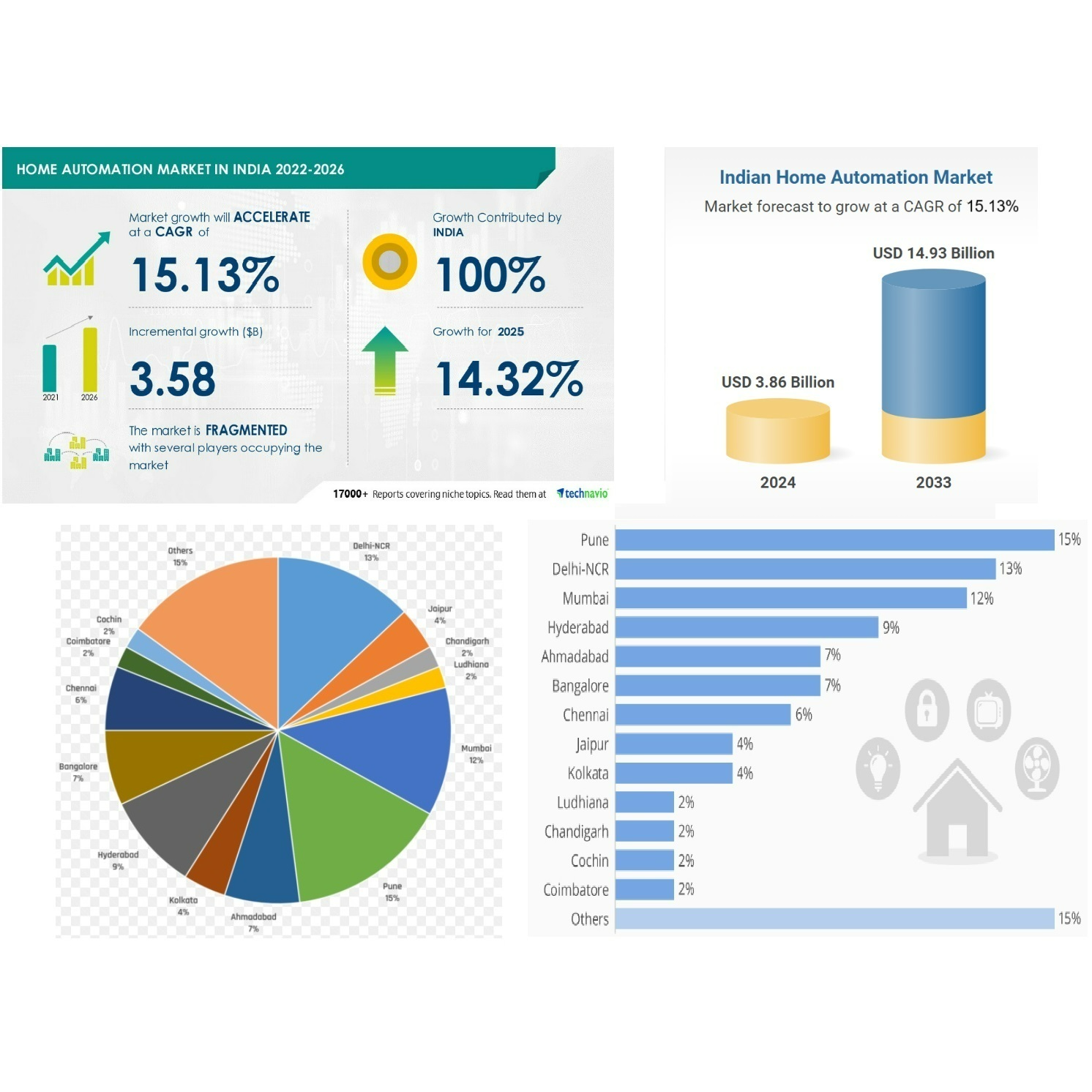
Investing in home automation can be a smart decision, both
for personal use and as a potential business opportunity. The home automation
market is growing rapidly, driven by advancements in technology, increasing
consumer demand for convenience, and the rising importance of energy efficiency
and security. Here are some key points to consider when investing in home
automation:
1. Market Growth and Trends
- Rapid
Expansion: The global smart home market is expected to continue growing,
with increasing adoption of IoT (Internet of Things) devices.
- Consumer
Demand: More homeowners are seeking convenience, security, and energy
efficiency, driving demand for smart home solutions.
- Technological
Advancements: Innovations in AI, machine learning, and wireless
communication are making home automation more accessible and reliable.
2. Types of Investments
- Personal
Investment: Upgrading your own home with smart devices to increase
comfort, security, and energy efficiency.
- Real
Estate: Adding smart home features to rental properties or homes for
sale to increase their value and appeal.
- Business
Opportunities: Starting a business that sells, installs, or maintains
home automation systems.
- Stocks
and Shares: Investing in companies that manufacture smart home devices
or provide related services.
3. Key Areas to Invest In
- Smart
Security Systems: High demand for security cameras, smart locks, and
alarm systems.
- Energy
Management: Smart thermostats, lighting, and energy monitoring systems
are popular for their cost-saving potential.
- Home
Entertainment: Multi-room audio systems, smart TVs, and home theater
automation.
- Health
and Wellness: Air quality monitors, smart water heaters, and sleep
tracking devices.
- Integration
Platforms: Companies that offer centralized control systems or hubs
for managing various smart devices.
4. Benefits of Investing in Home Automation
- Increased
Property Value: Homes with smart features often have higher market
value and appeal to tech-savvy buyers.
- Energy
Savings: Smart thermostats and lighting can significantly reduce
energy bills.
- Enhanced
Security: Smart security systems provide peace of mind and can deter
potential intruders.
- Convenience
and Comfort: Automated systems make daily tasks easier and more
efficient.
- Remote
Monitoring and Control: Ability to monitor and control your home from
anywhere via smartphone apps.
5. Risks and Considerations
- Initial
Costs: High upfront costs for purchasing and installing smart devices.
Try with minimum investment of 5 lac or less.
- Compatibility
Issues: Ensuring all devices work seamlessly together can be
challenging. There are some application solution provider offering
seamless device handling from one place like SmartLife, Jio, Samsung
SmartThing, Alexa etc.
- Privacy
and Security: Smart devices can be vulnerable to hacking and data
breaches. Make sure that user data remains on Server based in india like
AWS, Azure etc.
- Technological
Obsolescence: Rapid advancements may render current technologies
obsolete quickly. Tie-up with Manufacturer who has expertise in
manufacturing and doing continuous R&D.
6. Steps to Get Started
- Research:
Understand the market, key players, and emerging trends.
- Budgeting:
Determine your investment budget and prioritize areas that offer the best
return on investment.
- Professional
Consultation: Consider consulting with home automation experts or
financial advisors.
- Pilot
Projects: Start with small-scale projects to test the waters before
making larger investments.
- Stay
Updated: Keep abreast of new technologies and market developments to
make informed decisions.
7. Potential Investment Opportunities
- Startups:
Investing in emerging companies with innovative smart home solutions.
- Established
Companies: Stocks in well-known companies like Google (Nest), Amazon
(Alexa), Samsung (SmartThings), and others.
- Real
Estate Development: Incorporating smart home technologies in new
residential developments.
- Service
Providers: Companies that offer installation, maintenance, and support
for home automation systems.
8. Future Outlook
- Integration
with Smart Cities: As cities become smarter, home automation will play
a crucial role in the broader ecosystem.
- AI
and Machine Learning: Enhanced capabilities for predictive automation
and personalized experiences.
- Sustainability:
Increasing focus on eco-friendly and energy-efficient solutions.
Investing in home automation can offer significant benefits,
but it\'s essential to conduct thorough research and consider both the
opportunities and risks involved. Whether you\'re looking to enhance your own
living space or explore business ventures, the home automation sector presents
a promising avenue for investment.